
Philippines
Over 7,000 islands of beaches, reefs, and warm hospitality
The Philippines is an archipelago nation built for island-hopping, from El Nido's dramatic lagoons to Cebu's whale sharks and Palawan's hidden beaches. Famously warm hospitality and relatively light crowds make it a rewarding alternative to more heavily touristed parts of Southeast Asia.
Capital
Manila
Currency
Philippine Peso (PHP)
Language
Filipino, English
Population
~114 million
Timezone
PHT (UTC+8)
Driving Side
Right
Plug Type
Type A / B / C
Visa
Visa-free for many nationalities, up to 30 days
Best Season
December–May (dry season)
Emergency
911
Best Time to Visit
December through May is the dry season and the best time to visit most of the Philippines, with the busiest, most popular months being December to February. June to November is typhoon season, particularly affecting the northern and central islands.
Weather
Loading live weather…
The Philippines is tropical year-round with temperatures typically 25–32°C (77–90°F). Humidity is high throughout, and the archipelago's position makes it prone to typhoons especially from June to November — always check forecasts before island-hopping trips.
Currency
The Philippine Peso (PHP) is the currency. Cash is essential on smaller islands and for local transport (jeepneys, tricycles), while cards are accepted at hotels and larger restaurants in cities like Manila and Cebu. ATMs are common in cities but sparse in remote island areas.
Budget
The Philippines offers strong value: budget travelers can manage on $30–50/day, while mid-range comfort runs $70–130/day. Remote island destinations like El Nido can be pricier due to limited infrastructure and boat transfers.
Language
Filipino (Tagalog-based) and English are both official languages, and English is very widely spoken and understood, making the Philippines one of the easiest Asian destinations for English speakers.
Visa
Many nationalities can enter the Philippines visa-free for tourism, typically up to 30 days, with extension options available locally. Confirm the current allowance for your passport before booking.
Transportation
Domestic flights connect the main island hubs (Manila, Cebu, Palawan) efficiently, while inter-island ferries and outrigger bancas handle shorter hops. Within cities, jeepneys, tricycles, and ride-hailing apps (Grab) cover local transport, though travel between remote islands often takes more time than distances suggest.
Food
Filipino cuisine blends Malay, Spanish, and Chinese influences — try adobo, sinigang (sour soup), lechon (roast pig), and fresh seafood on the coast. Meals are typically served family-style and shared.
Culture
Filipino hospitality is famously warm, and family bonds run deep in daily life. Catholicism strongly influences culture and holidays (the Philippines is Southeast Asia's only majority-Catholic nation), and "Filipino time" (a relaxed approach to punctuality) is worth expecting.
Internet
Internet quality varies significantly — fast and reliable in Manila and Cebu, but slower and less consistent on remote islands. Prepaid SIM cards and eSIMs are cheap and available at the airport for arriving travelers.
Best Cities

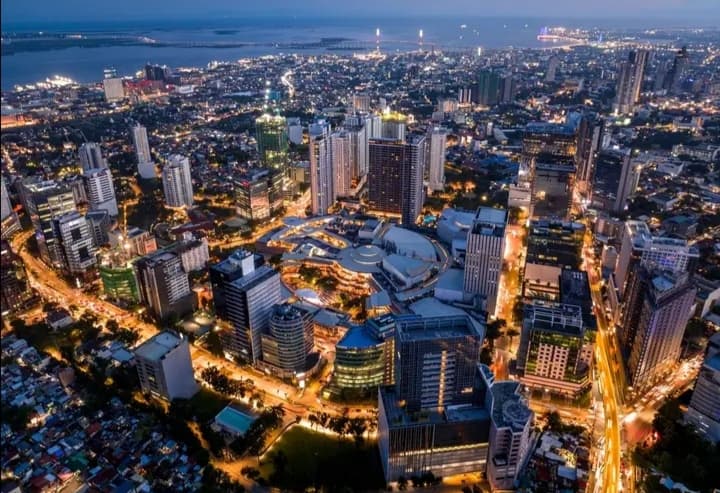
Manila
3The bustling capital, mixing Spanish-colonial Intramuros with modern business districts and lively nightlife.
Why visit: The main international gateway, with a fascinating mix of colonial history and contemporary energy.
Cebu City
4A historic central-Philippines hub and gateway to whale shark encounters and nearby island-hopping.
Why visit: The best base for exploring the central Visayas islands and diving spots.

El Nido (Palawan)
5A stunning coastal town surrounded by limestone cliffs, hidden lagoons, and some of the best island-hopping in the country.
Why visit: Widely considered the Philippines' most beautiful island destination.
Best Attractions
Chocolate Hills
Over a thousand symmetrical, cone-shaped hills covering Bohol island, turning brown ("chocolate") in the dry season.
Why visit: A genuinely unique geological landscape found nowhere else in the world.
El Nido Lagoons
A series of hidden turquoise lagoons enclosed by dramatic limestone cliffs, accessible by boat tour.
Why visit: Some of the most breathtaking island scenery in all of Southeast Asia.

Banaue Rice Terraces
Ancient, hand-carved mountain rice terraces in northern Luzon, often called the "Eighth Wonder of the World."
Why visit: A remarkable 2,000-year-old feat of engineering and one of the Philippines' most iconic landscapes.
Travel between Philippine islands can take longer than the map suggests — build extra buffer days into any multi-island itinerary in case of ferry cancellations or weather delays.
Do I need a visa to visit the Philippines?
Many nationalities can enter visa-free for up to 30 days. Confirm the current allowance for your specific passport before booking.
What is the best time to visit the Philippines?
December to May is the dry season and the best time to visit, with June to November being typhoon season in many regions.
Is the Philippines safe for tourists?
Most tourist areas, especially popular island destinations, are safe and welcoming, though it's worth checking regional travel advisories for specific areas before finalizing a route.
How many days do I need in the Philippines?
A trip combining Manila or Cebu with one island destination like Palawan comfortably takes 8–10 days, given how much travel time inter-island hops require.
Is English spoken in the Philippines?
Yes, English is an official language and very widely spoken and understood throughout the country.