Indonesia
Thousands of islands, from volcanic peaks to Bali's rice terraces
Indonesia is the world's largest archipelago, spanning everything from Bali's temples and terraced rice paddies to Yogyakarta's ancient Borobudur and Komodo's dragons. Most travelers focus on Bali and Java, but the variety across the islands rewards deeper exploration.
Capital
Jakarta
Currency
Indonesian Rupiah (IDR)
Language
Indonesian
Population
~277 million
Timezone
WIB/WITA/WIT (UTC+7 to +9, varies by region)
Driving Side
Left
Plug Type
Type C / F
Visa
Visa on arrival / visa-free for many nationalities, up to 30 days
Best Season
May–September (dry season)
Emergency
110 (Police) / 118 (Ambulance)
Best Time to Visit
The dry season, roughly May to September, is the most popular time to visit Bali and most of Indonesia, with sunny days and lower humidity. The wet season (November to March) brings frequent but often brief afternoon showers and fewer crowds.
Weather
Loading live weather…
Indonesia is tropical year-round, with temperatures typically 26–32°C (79–90°F) and high humidity across the islands. Higher-altitude areas like Ubud and mountain regions are noticeably cooler than coastal Jakarta or Bali's beach towns.
Currency
The Indonesian Rupiah (IDR) is the currency, with large denominations that take some getting used to. Cash is still important outside major hotels and resorts, especially at markets and in Bali's smaller villages, while ATMs are widely available in tourist areas.
Budget
Indonesia offers excellent value: budget travelers can manage on $25–45/day, especially in Bali's guesthouses and warungs (local eateries), while mid-range comfort runs $70–130/day. Bali's prices have risen in recent years but remain reasonable compared to Western destinations.
Language
Indonesian (Bahasa Indonesia) is the official language, and English is commonly spoken in Bali's tourist areas and major cities, though less so elsewhere. Learning a few basic Indonesian phrases is appreciated and useful outside tourist zones.
Visa
Many nationalities can obtain a visa on arrival or enter visa-free for short tourist stays, typically up to 30 days, with extension options available. Confirm the current policy for your nationality before booking.
Transportation
Domestic flights are the most practical way to cover Indonesia's vast archipelago, while Bali and Java are also well served by cars with drivers, ride-hailing apps (Gojek, Grab), and ferries between nearby islands. Traffic in Jakarta and South Bali can be heavy, so build in extra time.
Food
Indonesian food varies significantly by island — try nasi goreng (fried rice) and satay nationwide, Balinese babi guling (roast pork), and Padang-style dishes from Sumatra. Warungs (small local restaurants) offer authentic, affordable meals everywhere.
Culture
Indonesia is the world's largest Muslim-majority country, though Bali is predominantly Hindu with its own distinct temple culture and ceremonies. Dress modestly at religious sites, and always ask before photographing ceremonies or local people.
Internet
Prepaid SIM cards and eSIMs are cheap and widely available, with generally good coverage in Bali and major cities, though connectivity can be patchier in remote island areas. Free Wi-Fi is common in cafes and hotels in tourist zones.
Best Cities

Bali (Ubud & Denpasar)
5Indonesia's most famous island, mixing rice-terrace scenery, temple culture, surf beaches, and a thriving wellness scene.
Why visit: The country's single most popular destination, with something for every kind of traveler.

Jakarta
3Indonesia's vast, energetic capital — a sprawling mix of modern malls, street food, and colonial-era Old Town.
Why visit: A real look at contemporary Indonesian city life, best used as a short stopover.

Yogyakarta
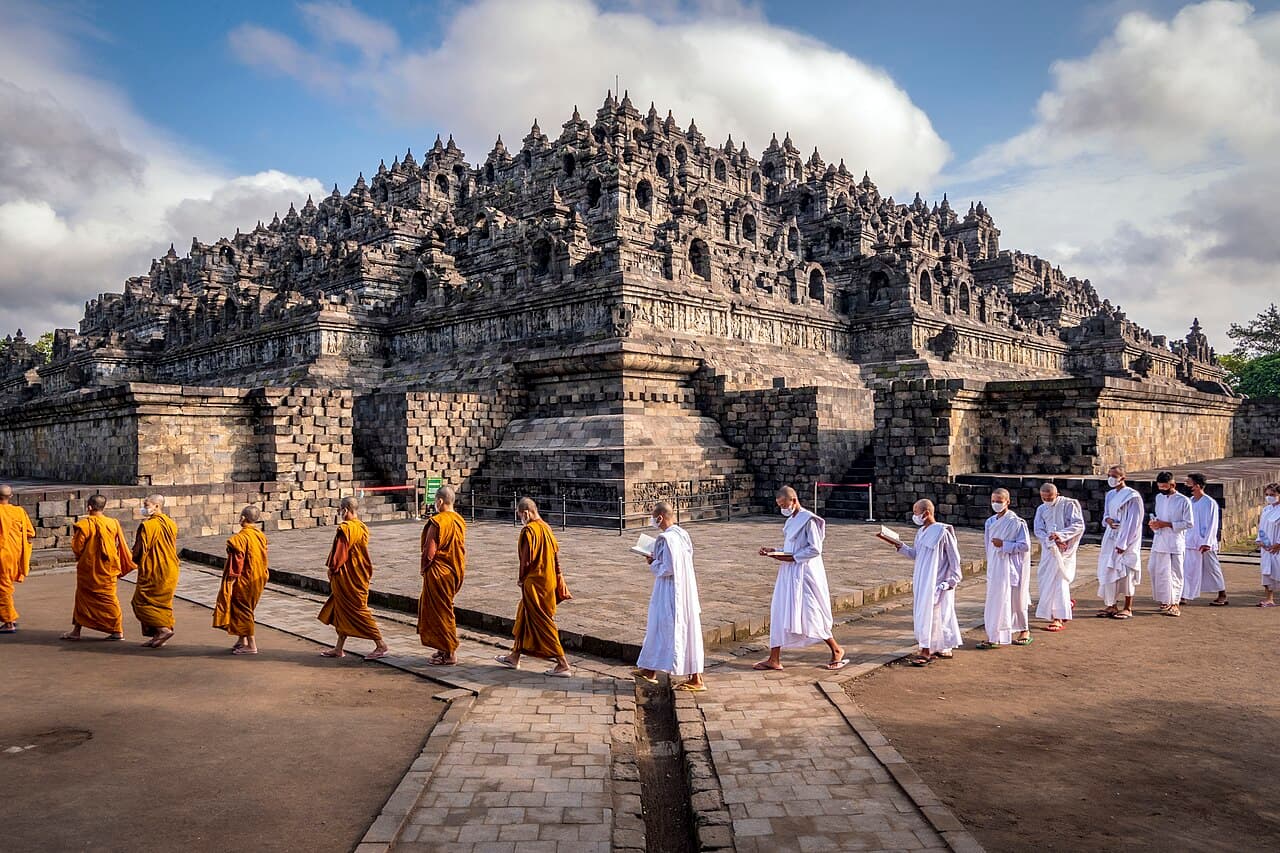
5Java's cultural heart, home to the Borobudur and Prambanan temple complexes and traditional Javanese arts.
Why visit: Indonesia's premier destination for ancient temples and traditional culture.
Best Attractions
Borobudur Temple
The world's largest Buddhist temple, a 9th-century stepped pyramid near Yogyakarta best seen at sunrise.
Why visit: A UNESCO World Heritage Site and one of Southeast Asia's most awe-inspiring monuments.

Ubud Rice Terraces
The Tegalalang terraced rice paddies near Ubud, a classic image of rural Bali.
Why visit: The most iconic natural landscape in Bali, especially beautiful in the early morning light.
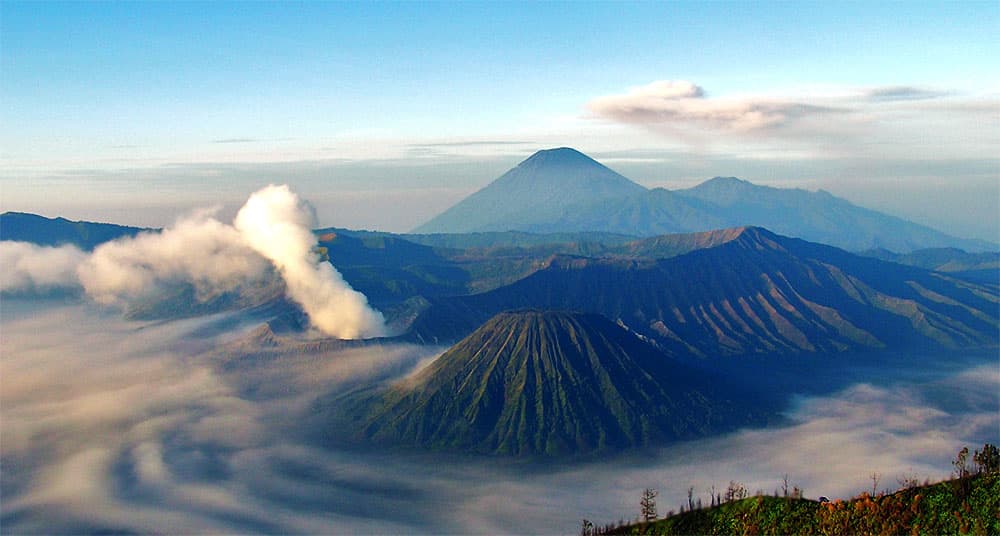
Mount Bromo
An active volcano in East Java, famous for otherworldly sunrise views over its smoking crater.
Why visit: One of the most dramatic volcanic landscapes anywhere in Southeast Asia.
Indonesia is a huge archipelago — resist the urge to island-hop too fast. Focusing on one or two regions (like Bali plus Yogyakarta) gives a far better experience than rushing between distant islands.
Do I need a visa to visit Indonesia?
Many nationalities can get a visa on arrival or enter visa-free for short stays, typically up to 30 days. Confirm the current policy for your passport before booking.
What is the best time to visit Indonesia?
The dry season from May to September is the most popular, offering sunny days and lower humidity across most of the archipelago.
Is Indonesia safe for tourists?
Yes, Indonesia — especially Bali — is generally safe and very well set up for tourism, though standard precautions around traffic, water safety, and belongings apply.
How many days do I need in Indonesia?
A week focused on Bali is a great introduction, while 10–14 days allows you to add Yogyakarta or another island region.
Is Bali part of Indonesia?
Yes, Bali is one of Indonesia's thousands of islands and by far its most visited by international tourists.