
Italy
Ancient ruins, Renaissance art, and unforgettable coastlines
Italy delivers on every level — Rome's ancient ruins, Florence's Renaissance masterpieces, Venice's canals, and the Amalfi Coast's cliffside towns all sit within a country smaller than California. Add genuinely excellent food in every region, and it's clear why Italy remains a lifelong travel favorite.
Capital
Rome
Currency
Euro (EUR)
Language
Italian
Population
~59 million
Timezone
CET (UTC+1)
Driving Side
Right
Plug Type
Type C / F / L
Visa
Schengen visa required for some nationalities; visa-free up to 90 days for others
Best Season
April–June & September–October
Emergency
112
Best Time to Visit
April to June and September to October offer the best balance of pleasant weather and manageable crowds, avoiding the intense heat and peak tourist volume of July and August. Winter is quieter and cooler but still enjoyable for city sightseeing, especially in Rome and Florence.
Weather
Loading live weather…
Italy's climate varies from the Alps in the north to the Mediterranean south — expect hot, dry summers and mild winters along the coasts, with more seasonal variation and colder winters inland and in the north.
Currency
The Euro (EUR) is the currency, and cards are widely accepted in cities and tourist areas, though smaller trattorias, markets, and towns still often prefer or require cash.
Budget
Italy offers a wide budget range: travelers can manage on $70–100/day with careful planning, while mid-range comfort runs $150–250/day, with Venice and central Rome/Florence typically pricier than the south or smaller towns.
Language
Italian is the official language, and English is commonly spoken in major tourist cities and hotels, though less so in smaller towns. A few Italian phrases are warmly received and enhance the experience.
Visa
Non-EU visitors may need a Schengen visa depending on nationality, while many nationalities (US, UK, Canada, Australia) can visit visa-free for up to 90 days within a 180-day period. Confirm the current requirement for your passport before booking.
Transportation
Italy's train network (including high-speed Frecciarossa services) connects major cities efficiently, making car-free travel easy between Rome, Florence, and Venice. A car is genuinely useful for exploring Tuscany's countryside or the Amalfi Coast at your own pace.
Food
Italian food is deeply regional — Roman cacio e pepe, Neapolitan pizza, Bolognese ragù, and Sicilian seafood are all distinct traditions worth seeking out rather than treating "Italian food" as one cuisine. Meals are meant to be lingered over, especially dinner.
Culture
Italians take pride in dressing well and presenting themselves with style ("bella figura"), and long, unhurried meals are a genuine social ritual, not just refueling. Learning basic Italian greetings and being patient with a slower pace of service go a long way.
Internet
Internet access is generally reliable in cities and tourist areas, with widespread Wi-Fi in cafes and hotels. Prepaid SIM cards and eSIMs are easy to buy, and EU roaming means many European visitors' plans work without extra cost.
Best Cities

Rome
5The Eternal City, where ancient ruins like the Colosseum sit steps from Renaissance piazzas and Vatican treasures.
Why visit: Arguably the single richest historical city in the world, spanning nearly three millennia.

Florence
5The cradle of the Renaissance, packed with world-class art, architecture, and Tuscan countryside just outside the city.
Why visit: An unmatched concentration of Renaissance masterpieces in a walkable, human-scale city.

Venice
5A car-free city built on canals, famous for gondolas, St. Mark's Square, and elegant, crumbling palazzos.
Why visit: Simply unlike anywhere else on Earth — a city that has to be seen to be believed.
Best Attractions
Colosseum
The vast ancient Roman amphitheater where gladiators once battled, still standing nearly 2,000 years later.
Why visit: The most iconic symbol of the Roman Empire and a must-see for any first visit to Italy.

Amalfi Coast
A dramatic stretch of cliffside towns, including Positano and Ravello, overlooking the sparkling Tyrrhenian Sea.
Why visit: One of the most beautiful coastlines in the world, ideal for a scenic drive or boat tour.
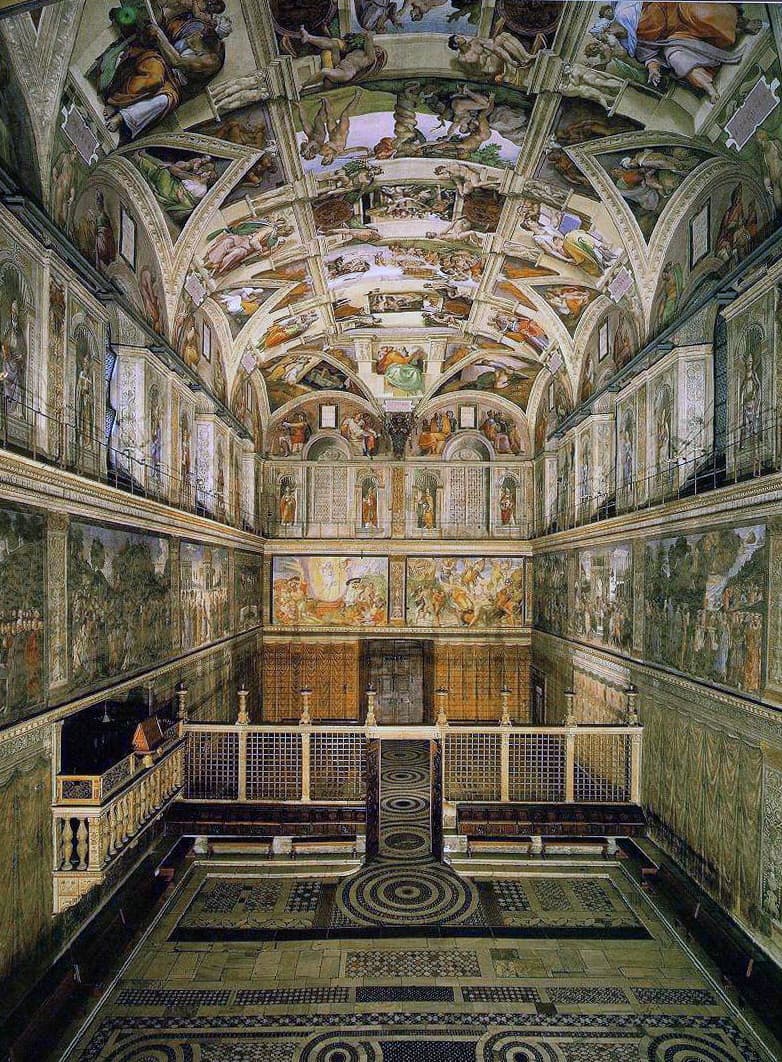
Vatican Museums
An extraordinary museum complex culminating in Michelangelo's Sistine Chapel ceiling.
Why visit: Home to one of the greatest art collections ever assembled, inside its own sovereign city-state.
Book timed-entry tickets for the Colosseum, Vatican Museums, and Uffizi Gallery well in advance — these sights routinely sell out, especially in peak season, and walk-up lines can mean hours of waiting.
Do I need a visa to visit Italy?
Many nationalities (US, UK, Canada, Australia) can visit visa-free for up to 90 days within a 180-day period; others may need a Schengen visa. Confirm current requirements for your passport.
What is the best time to visit Italy?
April to June and September to October offer pleasant weather and smaller crowds than the busy summer months.
Is Italy safe for tourists?
Yes, Italy is generally safe for tourists, though pickpocketing is a known issue in crowded areas like Rome's metro and major train stations, so standard vigilance is wise.
How many days do I need in Italy?
A classic Rome-Florence-Venice trip comfortably takes 10–12 days; a shorter 7-day trip focused on Rome and Florence is also very worthwhile.
Do I need to book the Colosseum and Vatican in advance?
Yes — book timed-entry tickets in advance whenever possible, as both sites routinely sell out, especially during peak season.