Spain
Moorish palaces, Gaudí architecture, and a late-night culture of its own
Spain moves at its own rhythm — long lunches, late dinners, and a genuine joy in daily life run through everything from Barcelona's Gaudí landmarks to Andalusia's Moorish palaces and Madrid's world-class museums. Few countries balance history, art, and pure enjoyment quite this well.
Capital
Madrid
Currency
Euro (EUR)
Language
Spanish
Population
~48 million
Timezone
CET (UTC+1)
Driving Side
Right
Plug Type
Type C / F
Visa
Schengen visa required for some nationalities; visa-free up to 90 days for others
Best Season
April–June & September–October
Emergency
112
Best Time to Visit
Spring (April–June) and autumn (September–October) offer warm, pleasant weather without the extreme heat of high summer, when inland cities like Madrid and Seville can exceed 40°C (104°F). These shoulder seasons also mean smaller crowds at major sights.
Weather
Loading live weather…
Spain's climate varies regionally — the north (Basque Country, Galicia) is cooler and wetter, central Spain (Madrid) has hot, dry summers and cold winters, and the Mediterranean and southern coasts (Barcelona, Andalusia) enjoy mild winters and hot, dry summers.
Currency
The Euro (EUR) is the currency, and Spain is very card-friendly in cities, though smaller tapas bars, markets, and towns often still favor cash.
Budget
Spain remains one of Western Europe's better travel values: budget travelers can manage on $60–90/day, while mid-range comfort runs $130–220/day. Tapas-style dining makes it easy to eat very well without high restaurant bills.
Language
Spanish (Castilian) is the national language, though Catalan, Basque, and Galician are co-official in their respective regions. English is spoken in tourist areas and by younger people in cities, but less consistently elsewhere.
Visa
Non-EU visitors may need a Schengen visa depending on nationality, while many nationalities (US, UK, Canada, Australia) can visit visa-free for up to 90 days within a 180-day period. Confirm the current requirement for your passport before booking.
Transportation
Spain's AVE high-speed trains connect major cities quickly and comfortably (Madrid to Barcelona in under 3 hours), and city metros are efficient and affordable. Renting a car is worthwhile for exploring Andalusia's white villages or rural regions at your own pace.
Food
Spanish food culture centers on sharing — tapas, pintxos in the Basque Country, paella in Valencia, and jamón ibérico everywhere. Dinner is eaten notably late (often 9pm or later), and a lively tapas crawl is one of the best ways to experience a city.
Culture
The Spanish rhythm of life includes a traditional midday siesta in some regions (many shops close in the early afternoon) and late-night socializing. Greetings often involve a light kiss on both cheeks between acquaintances, and mealtimes run notably later than in much of the rest of Europe.
Internet
Internet access is fast and reliable throughout Spain, with widespread free Wi-Fi in cafes and public spaces. Prepaid SIM cards and eSIMs are easy to buy, and EU roaming means many European visitors' plans work seamlessly.
Best Cities

Madrid
5Spain's elegant capital, home to world-class art museums (the Prado, Reina Sofía) and a legendary tapas and nightlife scene.
Why visit: A vibrant, walkable capital that rewards both museum-goers and night owls equally.

Barcelona
5A coastal city defined by Gaudí's surreal architecture, Gothic Quarter alleys, and beachfront energy.
Why visit: Unlike any other city in Europe, blending art, architecture, beach, and food into one unforgettable stop.

Seville
5The soul of Andalusia, with Moorish palaces, flamenco culture, and orange-tree-lined streets.
Why visit: The best introduction to southern Spain's Moorish heritage and passionate local culture.
Best Attractions
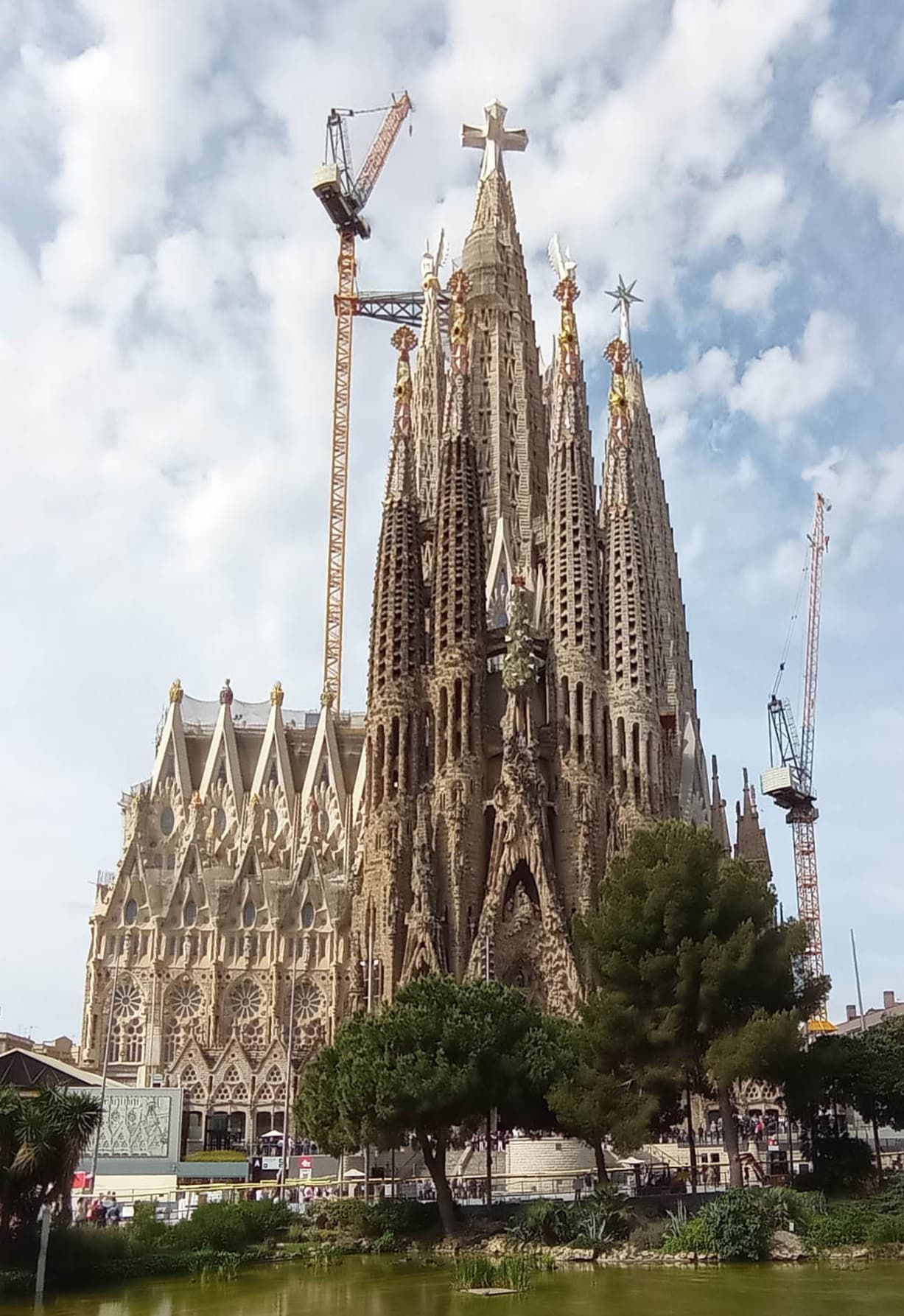
Sagrada Familia
Antoni Gaudí's still-unfinished masterpiece basilica in Barcelona, famous for its soaring, organic architecture.
Why visit: One of the most extraordinary buildings ever conceived, over a century in the making.

Alhambra
A stunning Moorish palace and fortress complex in Granada, with intricate tilework and the famous Generalife gardens.
Why visit: The finest surviving example of Islamic architecture in Europe.

Park Güell
Another Gaudí creation in Barcelona — a whimsical public park with mosaic-covered structures and city views.
Why visit: A playful, colorful counterpart to the Sagrada Familia's grandeur.
Book Alhambra and Sagrada Familia tickets online well in advance — both have strict daily visitor caps and routinely sell out days or weeks ahead, especially in peak season.
Do I need a visa to visit Spain?
Many nationalities (US, UK, Canada, Australia) can visit visa-free for up to 90 days within a 180-day period; others may need a Schengen visa. Confirm current requirements for your passport.
What is the best time to visit Spain?
April to June and September to October offer warm, pleasant weather without the extreme summer heat of inland cities.
Is Spain safe for tourists?
Yes, Spain is generally safe for tourists, though pickpocketing can occur in crowded tourist areas, so standard vigilance with belongings is wise.
How many days do I need in Spain?
A Madrid-Barcelona-Seville trip comfortably takes 10–12 days, though a shorter 5–7 day trip focused on one or two cities also works well.
Do I need to book the Alhambra in advance?
Yes — the Alhambra has a strict daily visitor cap and tickets routinely sell out, especially in peak season, so book well ahead.