
South Korea
Palaces, K-culture, and effortless modern travel
South Korea moves fluidly between centuries-old palaces and some of the most futuristic cities in the world, all connected by fast, reliable transit. Add world-famous food and a thriving pop-culture scene, and it's easy to see why it's become one of Asia's most popular destinations.
Capital
Seoul
Currency
South Korean Won (KRW)
Language
Korean
Population
~52 million
Timezone
KST (UTC+9)
Driving Side
Right
Plug Type
Type C / F
Visa
Visa-free for many nationalities, up to 90 days
Best Season
Spring (Mar–May) & Autumn (Sep–Nov)
Emergency
112 (Police) / 119 (Fire/Ambulance)
Best Time to Visit
Spring brings cherry blossoms (early April) and autumn brings vivid foliage (late October–November) — both are the most popular and comfortable times to visit. Summer is hot and humid with a monsoon season in July, while winter is cold but ideal for skiing and hot spring visits.
Weather
Loading live weather…
South Korea has four distinct seasons: cold, dry winters (down to freezing in Seoul), hot and humid summers, and mild, pleasant spring and autumn. Jeju Island stays noticeably milder year-round than the mainland.
Currency
The South Korean Won (KRW) is the currency. South Korea is highly card-friendly — contactless and card payments are accepted almost everywhere, including taxis and small shops — though carrying some cash is still useful for markets and rural areas.
Budget
South Korea is moderately priced by Asian standards: budget travelers can manage on $50–70/day using guesthouses and street food, while mid-range comfort runs $110–180/day. Seoul is pricier than Busan or Jeju.
Language
Korean is the official language, and English signage is common in Seoul's subway and major tourist areas, though everyday spoken English is more limited outside the capital. Translation apps handle most practical needs smoothly.
Visa
Many nationalities can enter South Korea visa-free for tourism, typically for up to 90 days, and some visitors need to register via the K-ETA electronic travel authorization before arrival. Confirm the current requirement for your passport before booking.
Transportation
Seoul's subway system is one of the best in the world — extensive, cheap, and easy to navigate with English signage. The KTX high-speed train connects major cities quickly, and a T-money transit card works across buses, subways, and even some taxis nationwide.
Food
Korean cuisine centers on bold, communal flavors — Korean barbecue, bibimbap, kimchi jjigae, and endless banchan (side dishes) that come with nearly every meal. Seoul's street food markets (like Gwangjang Market) and 24-hour restaurants are a big part of the experience.
Culture
Respect for age and hierarchy shapes social interactions, and slight bows are common greetings alongside handshakes. Remove shoes when entering homes and some traditional restaurants, and use both hands when giving or receiving items from elders.
Internet
South Korea has some of the fastest internet in the world. Prepaid SIM cards, eSIMs, and pocket Wi-Fi rentals are all readily available at Incheon Airport, and free Wi-Fi is widespread in cafes, subways, and public spaces.
Best Cities

Seoul
5A sprawling, high-energy capital blending centuries-old palaces with cutting-edge shopping, dining, and nightlife districts.
Why visit: The undisputed heart of modern Korean culture, from Gangnam to the historic Bukchon Hanok Village.

Busan
4South Korea's largest coastal city, known for beaches, seafood markets, and a more relaxed pace than Seoul.
Why visit: A great beach-and-city combination with excellent seafood and hillside temple views.

Jeju City
4The gateway to Jeju Island, a volcanic island known for waterfalls, lava tube caves, and scenic coastal drives.
Why visit: Korea's most popular nature getaway, often called the "Hawaii of Korea."
Best Attractions
Gyeongbokgung Palace
Seoul's largest and grandest royal palace, dating back to the Joseon Dynasty, with a daily changing-of-the-guard ceremony.
Why visit: The most impressive introduction to Korea's royal history, right in central Seoul.

Bukchon Hanok Village
A preserved neighborhood of traditional hanok houses nestled between two of Seoul's grand palaces.
Why visit: A beautifully preserved glimpse of traditional Korean residential architecture.
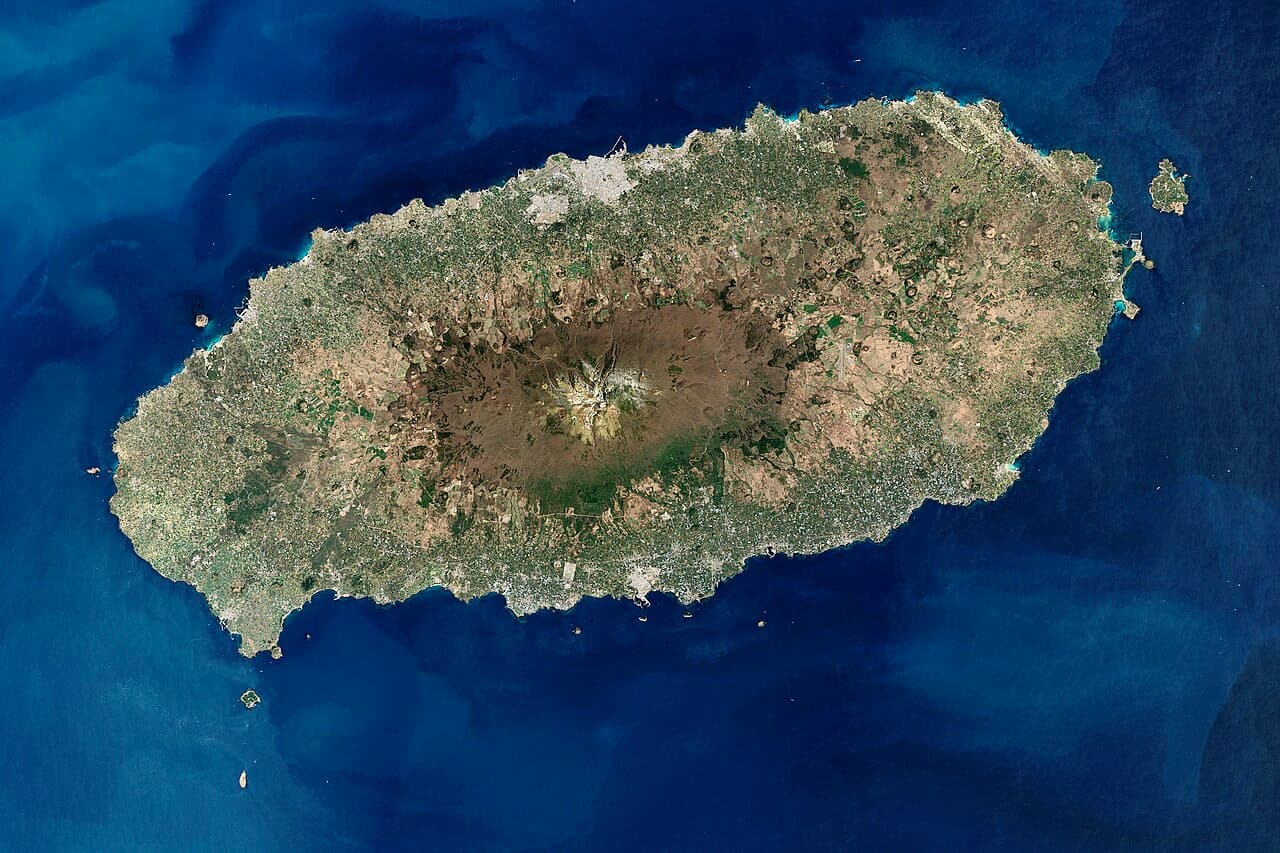
Jeju Island
A volcanic island off Korea's south coast with dramatic coastlines, waterfalls, and Hallasan, Korea's tallest peak.
Why visit: Korea's best nature escape, ideal for hiking, beaches, and scenic drives.
Pick up a T-money card as soon as you arrive — it works on subways, buses, and many taxis nationwide and is far more convenient than buying individual tickets.
Do I need a visa to visit South Korea?
Many nationalities can enter visa-free for up to 90 days, though some visitors need to apply for K-ETA electronic travel authorization beforehand. Check the current rules for your passport.
What is the best time to visit South Korea?
Spring (March–May) for cherry blossoms and autumn (September–November) for fall foliage are the most popular and comfortable seasons.
Is South Korea safe for tourists?
Yes, South Korea is considered one of the safest countries in Asia for tourists, with low crime rates and excellent public infrastructure.
How many days do I need in South Korea?
A first trip covering Seoul, Busan, and possibly Jeju comfortably takes 8–10 days, though a 4–5 day Seoul-focused trip is also worthwhile.
What currency should I use in South Korea?
The South Korean Won (KRW). Cards are accepted almost everywhere, but carrying some cash is useful for markets and small vendors.