
Malaysia
A multicultural crossroads of skyscrapers, rainforest, and islands
Malaysia blends Malay, Chinese, and Indian cultures into one of Southeast Asia's most underrated destinations — from the Petronas Towers' skyline to Penang's street-art lanes and Langkawi's beaches, there's remarkable variety packed into an easy-to-travel country.
Capital
Kuala Lumpur
Currency
Malaysian Ringgit (MYR)
Language
Malay (English widely spoken)
Population
~34 million
Timezone
MYT (UTC+8)
Driving Side
Left
Plug Type
Type G
Visa
Visa-free for many nationalities, up to 90 days
Best Season
December–February (west coast dry season)
Emergency
999
Best Time to Visit
Malaysia's weather varies by coast: the west coast (Kuala Lumpur, Penang, Langkawi) is driest from December to February, while the east coast is driest from March to September. There's no single perfect season for the whole country, so plan around your specific route.
Weather
Loading live weather…
Malaysia is tropical and humid year-round, with temperatures generally between 24–32°C (75–90°F). Monsoon seasons bring heavier rain to different coasts at different times, so pack for humidity and occasional downpours regardless of when you visit.
Currency
The Malaysian Ringgit (MYR) is the currency. Cards are widely accepted in cities, while cash remains useful for hawker stalls, markets, and smaller towns. ATMs are plentiful and generally reliable for foreign cards.
Budget
Malaysia is an excellent-value destination: budget travelers can manage on $30–50/day, while mid-range comfort runs $80–140/day. Kuala Lumpur offers surprisingly affordable luxury accommodation compared to regional peers.
Language
Malay (Bahasa Malaysia) is the national language, but English is widely spoken across the country, a legacy of British colonial history, making Malaysia one of the easier Southeast Asian countries for English speakers to navigate.
Visa
Many nationalities can enter Malaysia visa-free for tourism, typically for up to 90 days. Always confirm the current allowance for your specific passport before booking.
Transportation
Kuala Lumpur has an efficient LRT/MRT network, and domestic flights connect major cities and islands affordably via budget carriers. Long-distance buses and trains are comfortable and cheap for overland travel between cities.
Food
Malaysian cuisine reflects its multicultural roots — try nasi lemak (the national dish), Penang's char kway teow and assam laksa, and Indian-influenced roti canai. Hawker centers and food courts offer some of the best value dining in the region.
Culture
Malaysia is a majority-Muslim country with significant Chinese and Indian populations, so cultural and religious customs vary by community. Dress modestly when visiting mosques, and be aware that alcohol availability and etiquette differ across regions.
Internet
Internet infrastructure is solid nationwide, with prepaid SIM cards and eSIMs cheap and easy to find at the airport. Free Wi-Fi is common in malls, cafes, and hotels in cities.
Best Cities
Kuala Lumpur
4Malaysia's modern capital, home to the Petronas Towers, buzzing night markets, and diverse food scenes.
Why visit: A dynamic mix of futuristic skyline and multicultural street life.

Penang (George Town)
5A UNESCO-listed heritage city famous for its street art, colonial architecture, and legendary street food.
Why visit: Widely regarded as Malaysia's food capital and a beautifully preserved historic core.
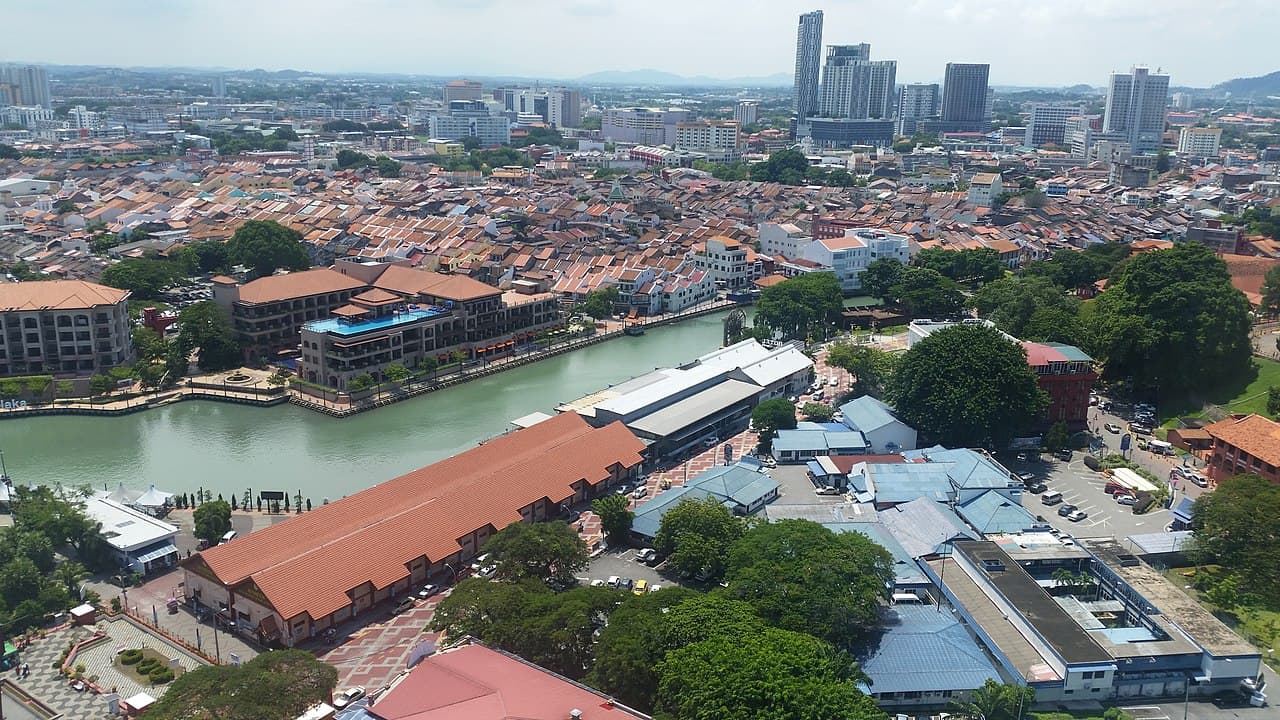
Malacca City
4A historic port city with Dutch and Portuguese colonial influences and a charming riverside old town.
Why visit: One of the best-preserved windows into Malaysia's colonial trading history.
Best Attractions

Petronas Towers
The iconic twin skyscrapers that once stood as the world's tallest buildings, with a skybridge observation deck.
Why visit: The defining image of modern Kuala Lumpur and a must for skyline views.

Batu Caves
A dramatic limestone cave complex and Hindu shrine, reached by climbing 272 colorful steps.
Why visit: One of the most visually striking religious sites in Southeast Asia.

Langkawi Islands
An archipelago of 99 islands off the northwest coast, known for beaches, cable cars, and duty-free shopping.
Why visit: Malaysia's premier island getaway for relaxation and natural scenery.
Malaysia's east and west coasts have opposite monsoon seasons — check the specific region's weather pattern before planning your route, rather than assuming one dry season applies nationwide.
Do I need a visa to visit Malaysia?
Many nationalities can enter visa-free for up to 90 days. Confirm the current allowance for your specific passport before booking.
What is the best time to visit Malaysia?
It depends on the coast — the west coast (KL, Penang, Langkawi) is driest December to February, while the east coast is driest March to September.
Is Malaysia safe for tourists?
Yes, Malaysia is generally safe and welcoming for tourists, with a well-developed tourism infrastructure and low rates of violent crime.
How many days do I need in Malaysia?
A well-rounded trip covering Kuala Lumpur, Penang, and an island typically takes 8–10 days, though a shorter 4–5 day KL-and-Penang trip works well too.
What language is spoken in Malaysia?
Malay is the national language, but English is widely spoken and understood across the country, especially in cities and tourist areas.